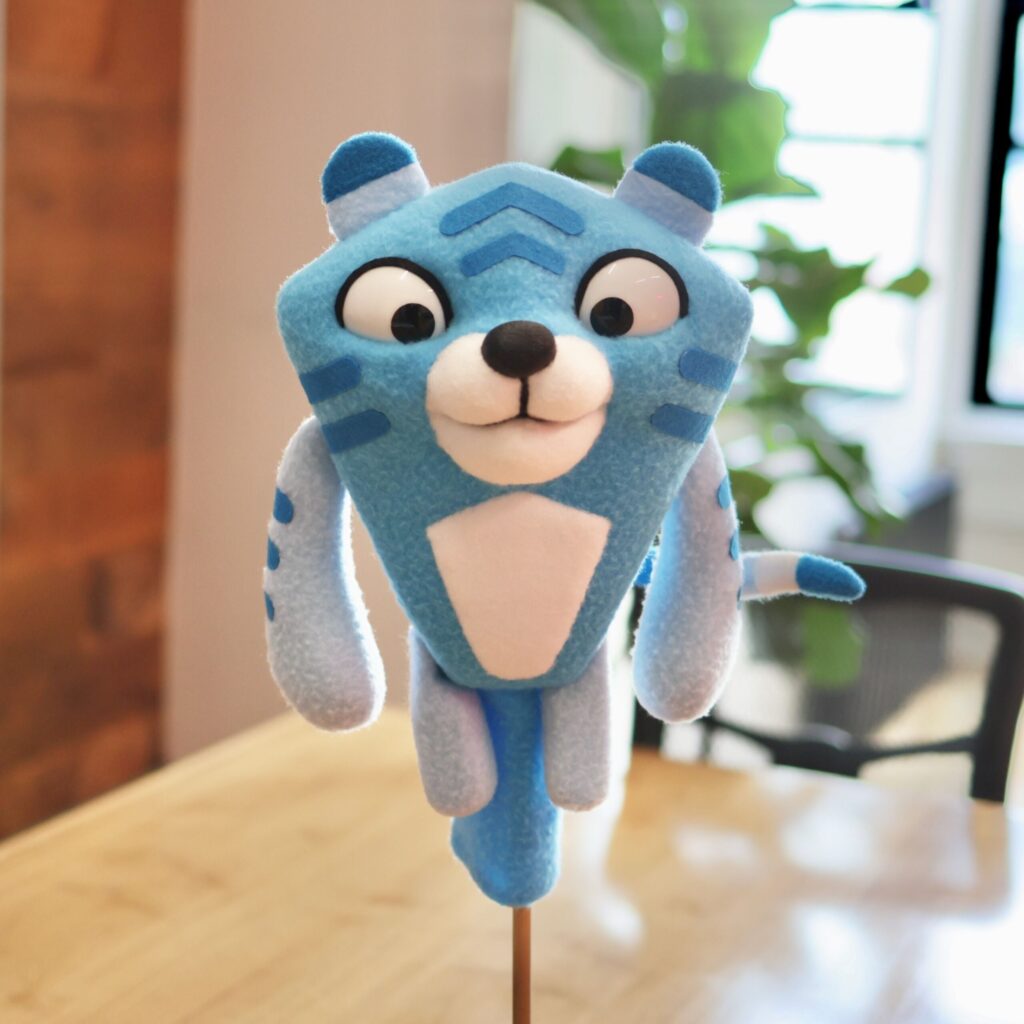
Puppetry is the art of breathing life into an inanimate object. Puppets may seem old fashioned in a world where cartoons and video games are the norm, but they still remain a very important tool for early childhood development. Shy children may be willing to overcome their stage fright if they’re performing a play or reading a book through the voice of a puppet. Children may learn to create a script, roleplay with a caregiver or friend, and build their imaginations and storytelling skills while engaging in puppetry.
Even if it’s not a large-scale production, playing with even the simplest of puppets (like a sock puppet) one on one with your child is an incredibly enriching activity that can foster connection, trust, and model social and emotional skills between you and a child. According to Dr. Carolyn Webster-Stratton, the Professor and Director of the Parenting Clinic at the University of Washington, children between the ages of 3 and 6 or seven cognitively are in and out of fantasy and reality. There are very few strict rules between what is real and what is pretend at this stage, so using puppets is a fun way to connect with children in all kinds of ways that are intimate and also foster healthy development.
In the exact words of Dr. Carolyn Webster-Stratton; “…Children will connect, oftentimes better, with an imaginary character or puppet than they would with the adult or with the parent, and they’ll tell you more things than they would ever tell you if you weren’t using the puppet.”
Without a doubt, puppetry still matters for the healthy development of children, but what about adults? Although most people naturally associate puppetry with “childishness”, puppetry is not only reserved for kids shows like Sesame Street and the Muppets. Historically, puppetry has always been a storytelling medium for kids and adults alike in various parts of the world. Puppets are still being used today not only in the entertainment industry, but in all kinds of media, like commercials, music videos, and even talk shows.
Similarly to what we’ve learned about children and the boundary between fantasy and reality–even us adults can get attached to characters, especially puppets. Think about iconic characters like Elmo, Kermit, Miss Piggy, Alf—even though we’re aware that the puppet is being controlled by someone else, we’re naturally only looking at the character that it represents and not the presenter. It’s something that reminds us of how important storytelling is, how characters can resonate with us and makes us connect with each other as human beings through things that are otherwise not technically “real”.
To learn more about how professionals breathe life into these incredible works of art, I spoke with the founder of Furry Puppet Studio, Zack Buchman, and was amazed at the studio’s workmanship and their impressive portfolio of furry friends.
Furry Puppet Studio and the Reinvention of Puppetry

Zack Buchman, a former animator, was only 20 years old when he moved to New York City. Although he enjoyed animation, he ultimately realized that he missed the the physical interaction that comes from working with puppets. He launched Furry Puppet Studio’s website from a Starbucks in New York City, and now the studio creates custom, high quality puppets for many clients, including top brands such as Apple and Nike, and musicians, such as Fall Out Boy and Missy Elliot. They have even created a mascot for the state of New York’s new phone-free school mascot named “Frankie Focus”.
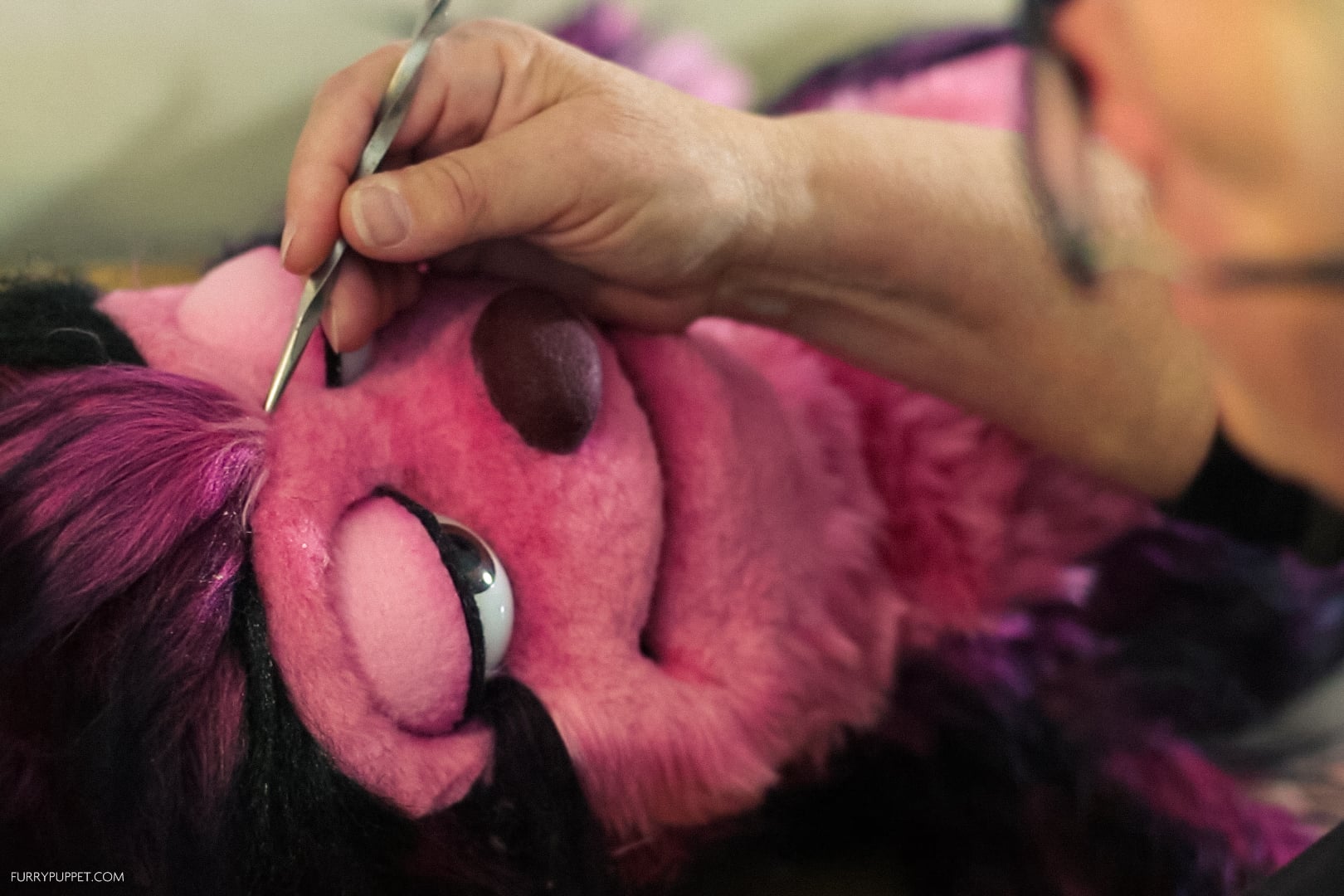
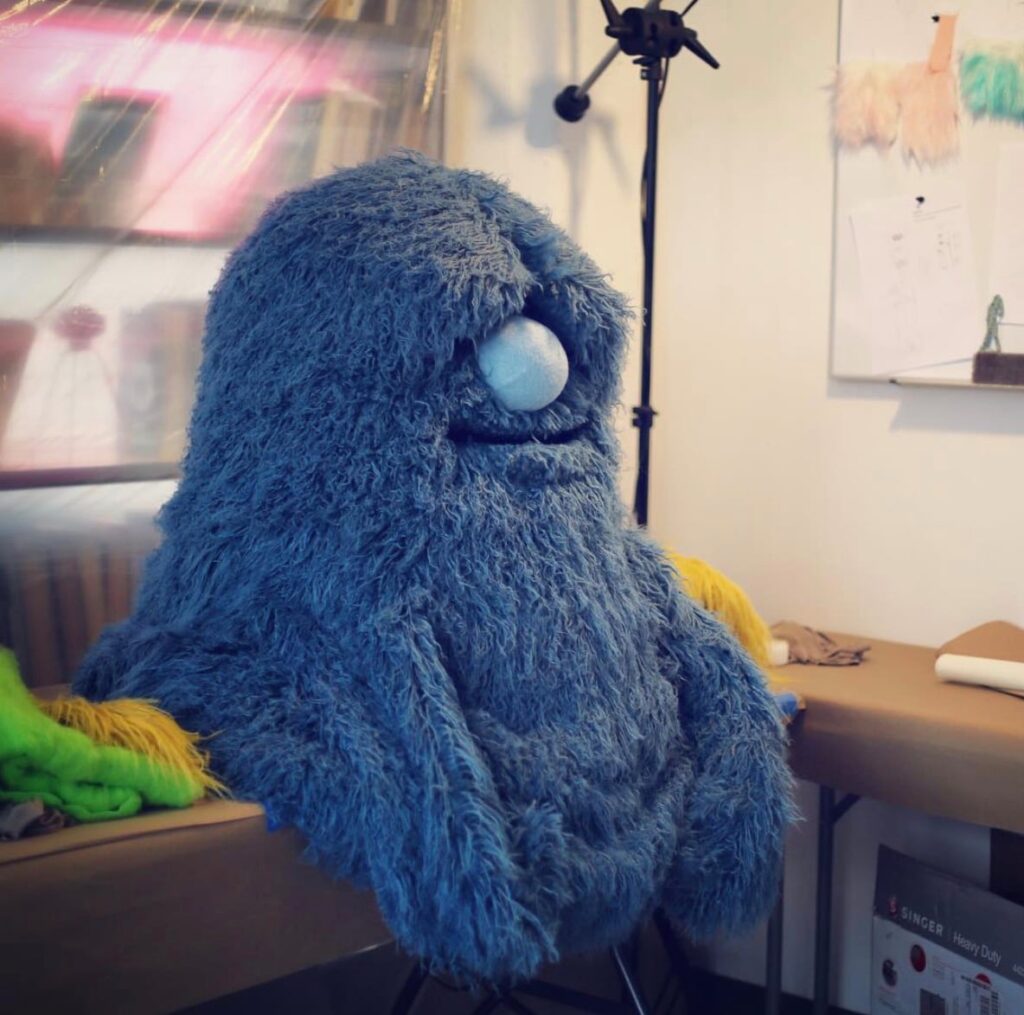
I personally have been surprised by all the kinds of ways that puppets can be used to convey different messages, and especially their applications in settings such as commercials. A really interesting project they’ve done recently is making vulture puppets for a Utah Tourism commercial. This is one of many ways that Furry Puppet Studio has been reinventing the traditional ideas of what puppetry is and how it can be used. In addition to commercials and music videos, They have made custom puppets of television figures, such as Andy Cohen and Anderson Cooper. Zack has also mentioned that they also been involved in product design as well. The workflow of puppetry is complex, but a very simple way of clarifying the process is that after the idea for the puppet is sketched, the puppet begins with a block of furniture foam. The foam is carved by hand into the shape of the puppet. Mechanisms are then inserted so the puppet’s mouth and eyelids can move. Lastly, the fur or skin is applied over the puppet body, and then clothes if the puppet needs them.

Adventures into comics

When the pandemic hit, Buchman launched a webcomic called Blobby and Friends, which amassed a huge amount of popularity online. Afterwards, Buchman decided to work with manufacturers to produce plushies of “uncute” animals such as blobfish, proboscis monkeys, and water bears. The plushie company would be known as Uncute, which is a non-profit, charitable organization where all the proceeds go to vulnerable and runaway youth. In the future, Zack hopes to create a long form series of his blobby the fish story.
Zack says in his interview at Animation for Adults in 2024; “I want to leave a legacy that makes a difference and I want to make people feel better about themselves…I also wanted to find a more personal form of expression so we started the comic Blobby and Friends, which has been amazing.”
Are you convinced about puppets yet?
If you’ve never incorporated puppets into your activities or quality time with children, consider some of these ideas!
• Let your child use puppets to reenact their favorite books and stories.
• Use puppets yourself to interact with your child while reading a book to them.
• Or just use a puppet to play around whenever the inspiration strikes!
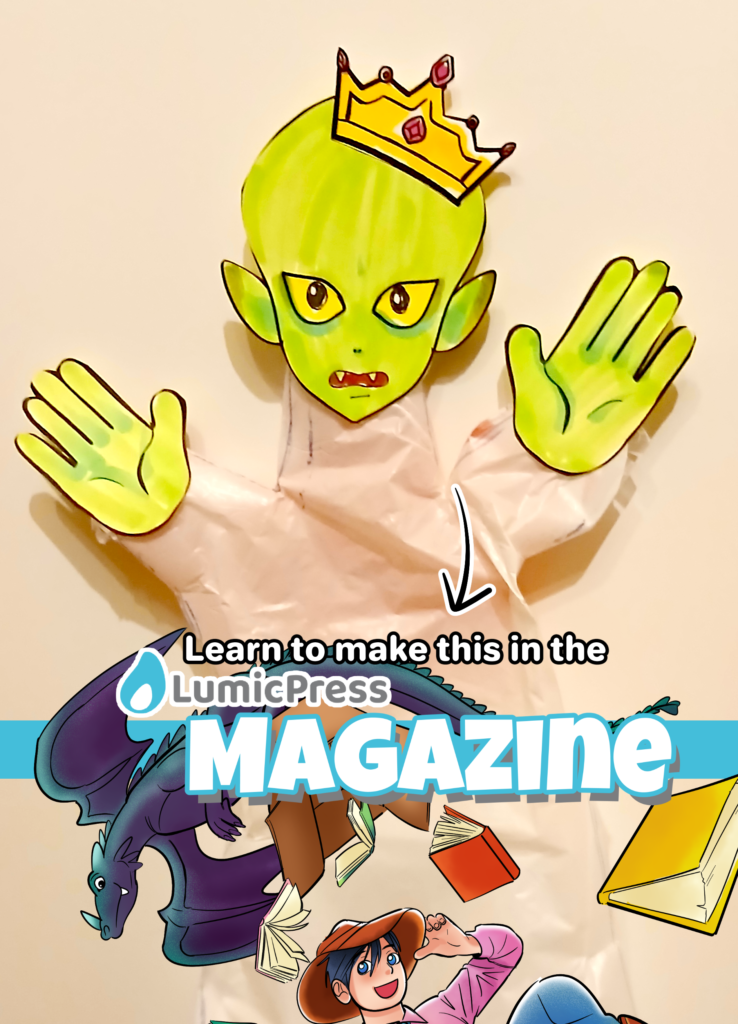
If you don’t have any puppets, and would be interested in making them, you don’t have to be a professional artisan like the Furry Puppet Studio to make them! In the first issue of the LumicPress Magazine, we feature a simple upcycled glove puppet craft using a plastic bag and patterns to draw and stick onto the puppet. Along with the puppet craft, we also feature the Furry Puppet Studio there too, so if you’re interested to learn even more, check out the first issue! (store listing / Amazon listing)